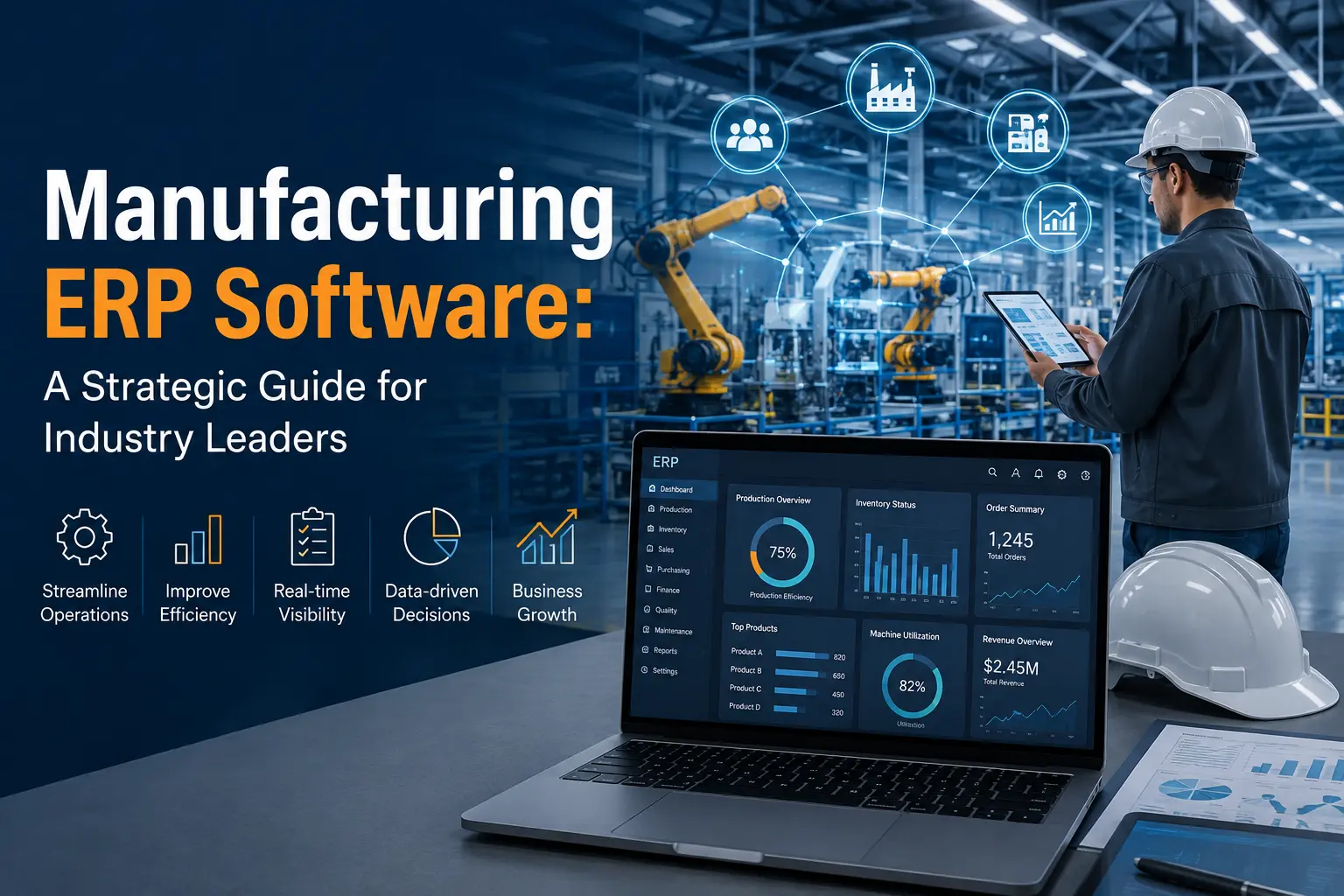
In the evolving landscape of manufacturing, ERP (Enterprise Resource Planning) software has emerged as a pivotal element for achieving operational excellence. For agencies operating within the realm of Software, SaaS, understanding the strategic application of Manufacturing ERP Software is essential to cater to industry leaders who demand streamlined processes and real-time data insights. This article will explore the key features of ERP systems, guide you in selecting the right solution, delve into effective implementation strategies, and discuss how to measure the return on investment (ROI) and performance of these systems.
Key Features of Manufacturing ERP Software
Manufacturing ERP Software is designed to enhance efficiency through a comprehensive suite of tools tailored to the unique needs of manufacturers. One critical feature is API Orchestration, which facilitates seamless integration with existing systems, allowing data to flow without friction. Another essential component is Subscription Billing Automation, particularly valuable for agencies that handle recurring billing cycles, ensuring accuracy and efficiency in financial operations. Additionally, Usage Analytics Dashboard provides manufacturers with the ability to monitor and optimize production processes based on real-time data, driving informed decision-making.
These systems often incorporate Multi-Tenancy Architecture, which supports scalability and flexibility, enabling manufacturers to adapt to changing demands without significant overhauls to their system infrastructure. This architecture is particularly beneficial for agencies offering White-Label Solutions, as it allows for customization to meet specific client needs while maintaining a uniform backend system. By leveraging these features, manufacturing agencies can significantly enhance their operational capabilities.


Selecting the Right ERP Solution for Your Business
Choosing an ERP solution that aligns with your business objectives involves a detailed assessment of your current processes and future goals. A crucial aspect to consider is SaaS Segmentation, which allows agencies to tailor solutions to different segments of the manufacturing industry, ensuring each segment receives functionalities tailored to its unique requirements. DevOps Integration is another key consideration; it enables continuous deployment and integration, essential for maintaining system agility and responsiveness.
When evaluating potential vendors, it is important to assess their ability to provide a robust Client Onboarding Framework. This framework is integral to a smooth transition and adoption process, minimizing disruption and accelerating user proficiency. Additionally, organizations should prioritize Data Privacy Compliance to protect sensitive manufacturing data and adhere to regulatory standards. A thorough evaluation process helps in selecting an ERP solution that not only meets your current needs but is also adaptable to future technological advancements.
Implementation Strategies for Successful ERP Integration
Implementing an ERP system requires a structured approach to ensure seamless integration and minimal disruption. Agile Sprint Planning is a methodology that can be particularly effective in ERP implementations, allowing teams to break down the project into manageable phases and adapt to changes as they occur. This approach fosters a collaborative environment where feedback is continuously incorporated, leading to more refined and efficient outcomes.
An effective implementation strategy also involves thorough User Journey Mapping to anticipate and address potential bottlenecks in user interactions with the new system. This mapping helps in designing interfaces that are intuitive and user-friendly, enhancing user acceptance and reducing resistance to change. Moreover, Performance Benchmarking during and after implementation is crucial to evaluate the system’s impact on operations and identify areas for improvement. By adopting these strategies, agencies can ensure a successful ERP integration that delivers tangible benefits.
For more detailed insights into the strategic benefits of ERP systems, consider reviewing recent studies from Manufacturing.net, a leading authority in manufacturing innovations.
Measuring ROI and Performance with ERP Systems
Quantifying the success of ERP systems is vital for industry leaders who want to justify their investment. Effective Performance Benchmarking involves setting clear metrics and KPIs (Key Performance Indicators) that align with business objectives. Agencies can utilize Churn Rate Analysis to understand how the ERP system impacts customer retention and satisfaction, providing insights into areas that may require further improvement or adjustment.
Additionally, an ERP system’s ROI can be measured by evaluating improvements in operational efficiency and cost savings. For example, Manufacturing ERP Software often leads to a reduction in processing times and error rates, translating into significant cost savings and productivity gains. Industry leaders can refer to Deloitte’s analysis for comprehensive methodologies on measuring ERP system performance and ROI.
These measurements not only validate the investment but also provide a roadmap for future enhancements and strategic planning.
Conclusion
Manufacturing ERP Software is a critical asset for industry leaders seeking to optimize their operations and maintain a competitive edge. By understanding the key features, selecting the right solution, implementing it effectively, and measuring its impact, agencies can unlock significant value for their clients. As the manufacturing sector continues to evolve, staying informed and strategically leveraging ERP systems will remain a cornerstone of success for industry leaders.