The gaming world is currently holding its collective breath for Hytale. Combining the creative freedom of a sandbox with the deep progression of a role-playing game, it promises to be a generational leap for the genre. However, with its rich graphical fidelity and complex world-gen systems, many fans are left wondering: “How can I take this experience with me on the go?”
As an SEO professional with 15 years of experience tracking the intersection of hardware and cloud computing, I’ve seen the landscape shift. We are no longer limited by the processor inside our pockets. Today, the most effective way to experience massive, procedurally generated worlds is through high-performance desktop mirroring. If you want to play Hytale on mobile without sacrificing frame rates or visual clarity, the solution lies in a robust remote infrastructure.
Why Mobile Hardware Isn’t Always the Answer
Native mobile ports often come with heavy compromises. To make a game run on a smartphone, developers usually have to reduce draw distances, simplify textures, and limit the complexity of AI. For a game like Hytale, where the beauty lies in its vibrant biomes and intricate building mechanics, these “downgrades” can dampen the immersion.
By using a remote streaming solution, you aren’t actually running the game on your phone’s limited mobile chip. Instead, your powerful home PC does all the heavy lifting—rendering the shadows, lighting, and physics—while your phone acts as a high-definition window into that world. This approach preserves the developer’s original vision while giving you the freedom to play from your couch, a bus, or a vacation rental.
Breaking the Latency Barrier
The biggest hurdle for any gamer considering remote access is “input lag.” In a game involving combat and precision building, even a half-second delay can make the experience unplayable. This is where professional-grade streaming protocols differ from standard screen-sharing apps.
Modern streaming technology utilizes hardware-accelerated encoding. This means the video data is compressed and sent across the network in milliseconds. When you download StarDesk remote, you are tapping into a pipeline specifically optimized for low-latency data transmission. This ensures that when you swing a sword or place a block in Hytale, the action happens in real-time on your mobile screen.
Setting Up Your Portable “Hytale” Rig
Transitioning your gameplay from a desk to a mobile device requires a few strategic steps to ensure the best possible SEO-optimized performance:
- Stable Host Connection: Ensure your home PC is connected via Ethernet. While Wi-Fi is great for the receiving device (the phone), the “source” needs a rock-solid upload speed to send those 60 frames per second without stuttering.
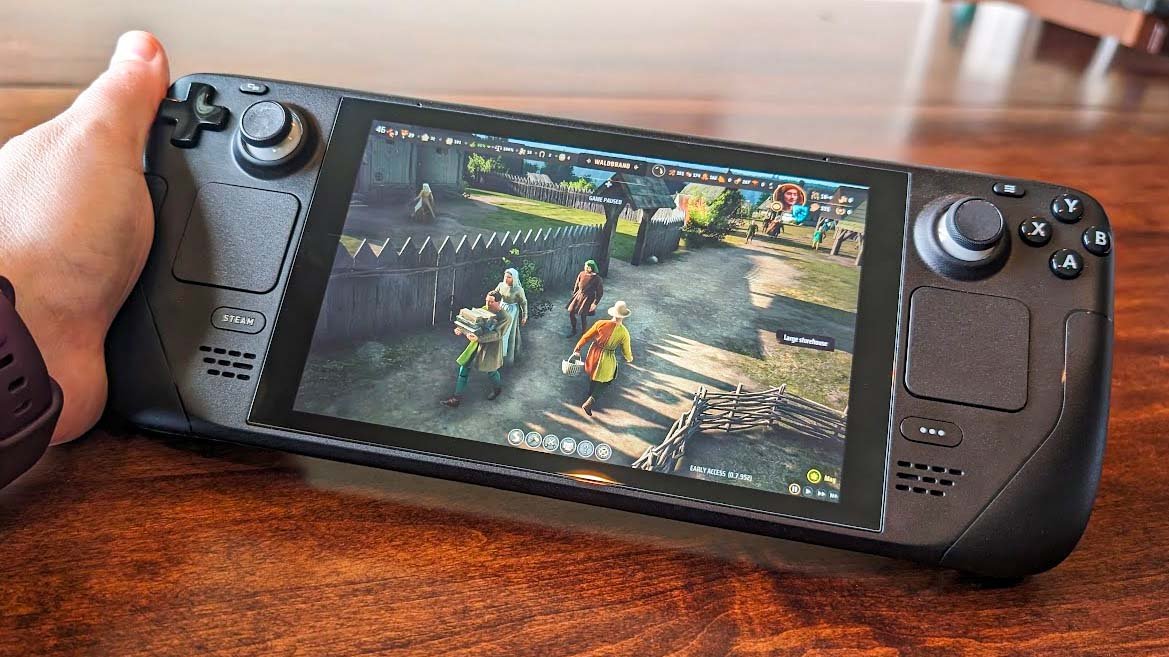
- Controller Integration: While touch controls have improved, Hytale is best enjoyed with a physical interface. Modern remote apps support Bluetooth controllers, turning your smartphone into a device that rivals the Steam Deck or Nintendo Switch in ergonomic comfort.
- Adaptive Bitrate Scaling: The best remote tools automatically adjust the quality of the stream based on your current 5G or Wi-Fi strength. This prevents the game from freezing if your signal dips momentarily, maintaining a fluid (if slightly lower resolution) experience until the signal recovers.
The Convergence of Work and Play
In my 15 years in this industry, I’ve noticed that the tools originally designed for high-end corporate use—like accessing CAD files or editing 8K video remotely—are the same ones that provide the best gaming experiences. The technology required to render a complex architectural 3D model is remarkably similar to what is needed to render a sprawling fantasy dungeon.
This convergence is a win for the user. It means that the same software you use to stay productive during office hours can become your primary gaming portal in the evening. It’s about maximizing the ROI of your existing hardware. Why buy a separate gaming handheld when the smartphone in your pocket can already access the full power of your RTX-enabled desktop?
Security and Ease of Use
One common concern with “opening” a PC to remote access is security. As a professional writer, I always emphasize that “convenience should never come at the cost of safety.” Top-tier remote solutions utilize end-to-end AES encryption and peer-to-peer (P2P) connections. This means your gameplay stream isn’t sitting on a third-party server where it could be intercepted; it travels directly from your PC to your phone through a secure “tunnel.”
Furthermore, the barrier to entry has never been lower. Gone are the days of manual port forwarding and complex IP configurations. Modern software handles the handshake between devices automatically, allowing you to focus on your adventure rather than your network settings.
Conclusion: A World Without Boundaries
The era of being “tethered” to a desk is over. Whether you are a creative professional needing to check a project or a gamer eager to explore the Orbis in Hytale, the technology is finally here to support your lifestyle.
By leveraging high-performance remote desktop protocols, we are essentially decoupling the “interface” from the “engine.” Your phone becomes the interface, and your PC remains the engine. This synergy allows for a level of graphical fidelity that native mobile apps simply cannot match.
If you are ready to revolutionize how you interact with your digital world, the tools are at your fingertips. High-speed, low-latency, and secure—this is the new standard for the modern digital nomad. Experience your favorite titles anywhere, anytime, and discover what it truly means to have a “desktop in your pocket.”