Dubai offers one of the world’s most modern lifestyles, but its desert environment brings a constant indoor cleaning challenge. Fine dust enters through invisible gaps, settles deep into fabrics and carpets, and gradually affects health, comfort and indoor air quality. Managing this requires smarter solutions like indoor quality improvement, regular AC duct cleaning, carpet cleaning and more.
Living in Dubai means accepting that the desert does not stop at your front door. You wipe down the dining table before breakfast, and by lunch, a fine layer has settled back. Your balcony railing feels rough after a calm night with no wind.
This repeated dust storm exposure causes respiratory inflammation, skin irritation, and cardiovascular strain across arid regions. You must take quick steps to tackle the Dubai climate challenges that can cause serious risks for your family.
Key Takeaways
- Desert sand particles range between PM2.5 and PM10, small enough to bypass closed doors and embed in soft furnishings
- Dust resettlement in Dubai homes happens within 2 to 6 hours after cleaning
- HEPA filtration, microfiber tools, and sealed entry points reduce indoor particulate load significantly
- Carpets, AC ducts, and upholstery require professional extraction on a scheduled basis
- Quarterly deep cleaning and biannual carpet treatment protect both health and property value
What Makes Dubai’s Climate Challenging for Apartments and Villas?
Dubai does not deal with ordinary household dust. The particulate matter here originates from the Rub’ al Khali desert, one of the largest sand masses on earth. Seasonal shamal winds lift millions of tonnes of mineral dust into the atmosphere and carry it directly into the urban core.
Desert Geography and Wind Patterns
The UAE sits between the Arabian Desert and the Persian Gulf, creating an atmospheric cycle where hot, dry air keeps particles suspended far longer than humid climates allow. When shamal winds intensify between March and August, sandstorms reduce outdoor visibility to near zero and deposit heavy particulate loads across the city. Even on calm days, background dust levels in Dubai remain well above the WHO recommended 24-hour PM10 threshold of 45 µg/m³.
Construction Activity and Urban Expansion
The continuous development in the region adds a secondary dust source that compounds the desert baseline. Active construction sites release silica dust, cement powder, and excavation debris that mix with natural particulate. Residents near development zones experience noticeably higher indoor dust accumulation regardless of how well their homes are sealed.
HVAC Systems Working Against You
Air conditioning runs nearly year round here, and every system pulls air through intake vents exposed to outdoor particulate. Filters rated below MERV 13 cannot trap fine desert particles effectively. Once filters saturate, the system circulates contaminated air through every room. Dust also builds inside ductwork, return vents, and air handler units over time, creating a hidden reservoir that quietly degrades the air your family breathes.
How Does Desert Dust Affect Daily Life at Home?
The impact extends well beyond a dusty shelf. Desert particulate affects surfaces, health, and household finances in ways most residents underestimate until the damage becomes visible.
Surface Damage and Flooring Wear
Desert sand registers 7 on the Mohs hardness scale, making it harder than most marble, porcelain tile, and engineered wood flooring in Dubai homes. Every footstep grinds these particles into the surface, creating micro-scratches that dull finishes over months. Without consistent removal, floors lose their sheen permanently and require costly polishing or full replacement.
Respiratory Health and Allergy Triggers
Fine particles below PM2.5 penetrate deep into the lungs and can enter the bloodstream. Families with young children, elderly members, or anyone managing asthma and allergic rhinitis face an elevated risk indoors. Dust mites thrive in warm, fabric rich environments and feed on the organic matter trapped in mattresses, curtains, and upholstered furniture throughout the year.
Hidden Contamination in Carpets and Soft Furnishings
Carpets act as passive air filters, trapping sand, allergens, skin cells, and AC condensation moisture deep within the fibre pile. Standard vacuuming removes surface debris but cannot extract what is embedded below the top layer. Over time, this hidden buildup breaks down carpet fibres, accelerates colour fading, and creates conditions where bacteria and dust mites multiply. Sofas, cushions, and heavy drapes face the same slow deterioration.
What are the Solutions to Manage Dust and Sand at Home?
The most effective approach layers daily prevention with scheduled professional treatment to keep particulate levels manageable across every season.
Seal Entry Points First
Weatherstripping around doors and windows blocks a surprising volume of fine particles from entering. Fibre doormats placed at every entrance capture sand from footwear before it spreads through the home. Enforcing a shoes-off policy indoors reduces tracked-in particulate significantly and protects hard flooring from abrasive wear.
Upgrade Your Cleaning Tools
Microfiber cloths generate an electrostatic charge that attracts and holds fine dust instead of pushing it airborne. HEPA filter vacuums trap particles down to 0.3 microns and prevent the exhaust redistribution that standard machines cause. For hard floors, flat microfiber mops with minimal water remove grit effectively without creating moisture problems on marble or natural stone.
Maintain Indoor Air Quality Actively
Replacing AC filters monthly during peak dust season is essential. Portable air purifiers with true HEPA ratings make a measurable difference in bedrooms and living areas where families spend the most time. Annual professional AC duct cleaning removes accumulated buildup that filter changes alone cannot address, restoring proper airflow and reducing allergen circulation throughout the home.
Schedule Professional Deep Cleaning
Daily maintenance cannot reach behind appliances, inside window tracks, above kitchen cabinets, or deep within upholstery fibres. A quarterly professional cleaning session covers these overlooked zones, resets baseline cleanliness, and addresses the gradual buildup that even the most diligent homeowner misses over weeks and months.
Treat Carpet Care as a Separate Priority
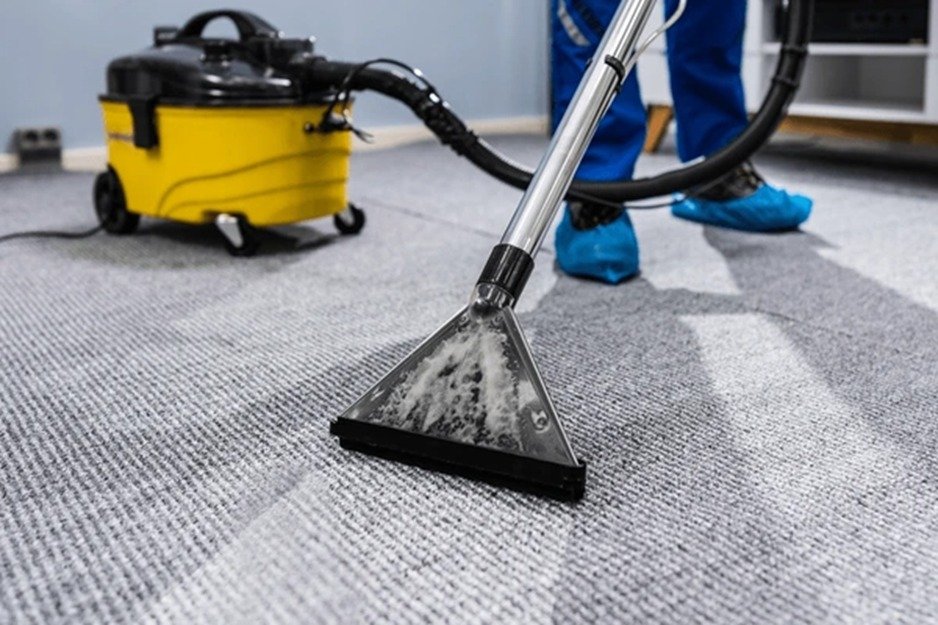
Deep carpet cleaning deserves its own schedule in Dubai’s climate. Hot water extraction, commonly known as steam cleaning, is the only method proven to remove deeply embedded sand, allergens, and bacteria from carpet fibres. This should happen every six months at minimum, or every three to four months in homes with children, pets, or heavy foot traffic. Experienced providers like Churchill Gulf use Carpet and Rug Institute approved equipment with high-temperature extraction that restores fibre integrity and eliminates contaminants household tools cannot reach.
Final Thoughts
The shamal winds will keep blowing. Construction dust will keep rising while fine particulates will keep finding its way indoors. The difference between a home that feels permanently gritty and one that stays clean is not effort alone. It is understanding what desert dust actually does, and responding with the right tools at the right intervals.
Seal your entry points, invest in proper filtration and clean with the right materials. Build a maintenance calendar that treats deep cleaning and carpet care as non-negotiable priorities. The desert does not rest, and your approach to managing it should match that consistency.